Hunt for the Blue eared kingfisher !

This kingfisher looks almost the same as the common kingfisher Alcedo atthis . The differences is the blue ear coverts, darker and more intense cobalt-blue upperparts with richer rufous under parts.

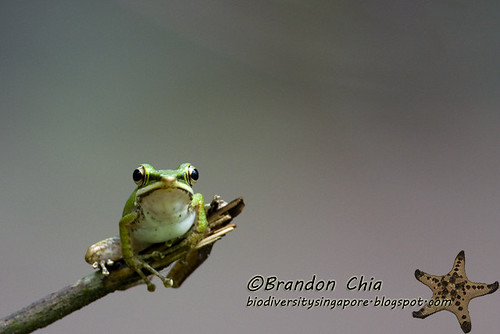
While waiting for the kingfisher to come out of it's nest, I took some photos of the Common Greenback.

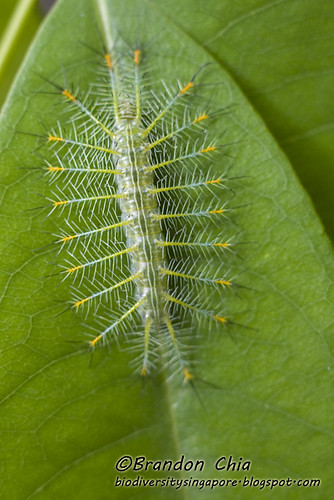
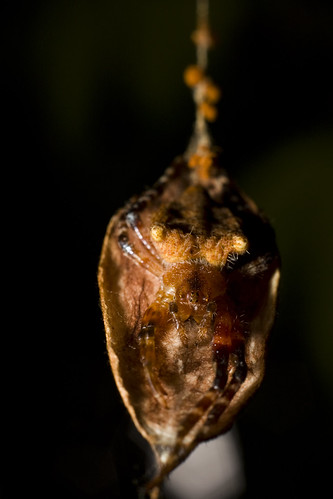
 Any ID for this caterpillar like stuff...?

~http://en.wikipedia.org/wiki/Blue-eared_Kingfisher

Storky Day at Sungei Buloh

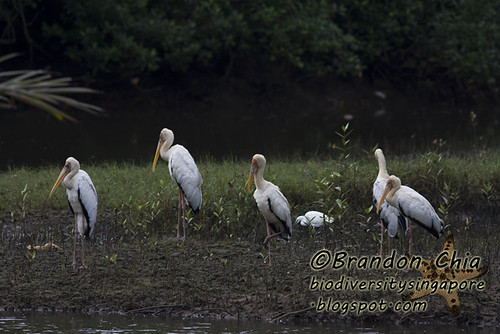
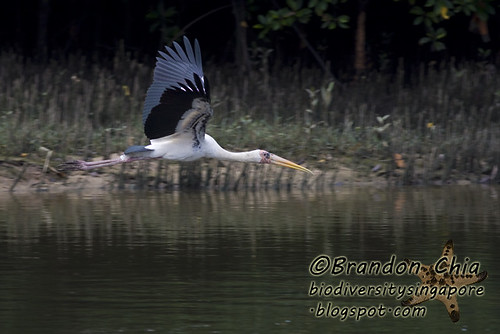
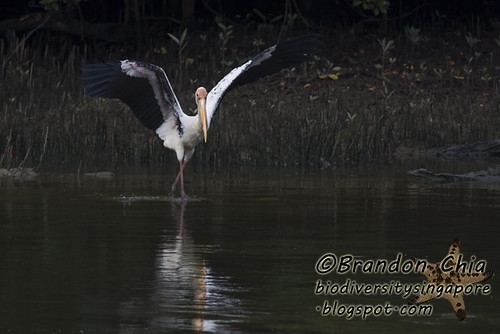
The Milky storks found in Sungei Buloh Wetlands Reserves are actually free ranging birds from both the Zoo and Bird Park. Why do they fly to Sungei Buloh? I guess its to feed, this shows that Sungei Buloh does have a rich mudflat full of organism in the mud.

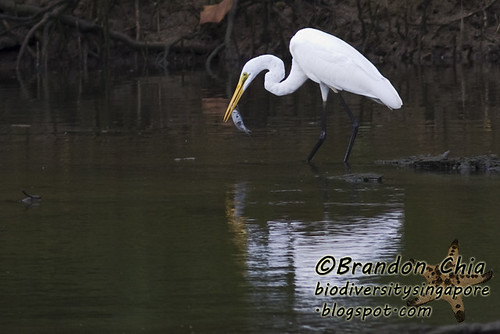
They seems to get along well with the great egret (above) too. The Great Egret Egretta alba is a migrant with wing span of up to 215cm. This is also the largest egret found in Singapore. 

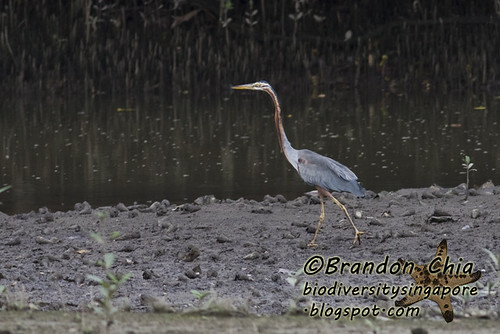
It's been a while since I saw the purple heron Ardea purpurea. 


And a flock of Whimbral  flew past!

What a nice day at Sungei Buloh!

Hooded Pitta

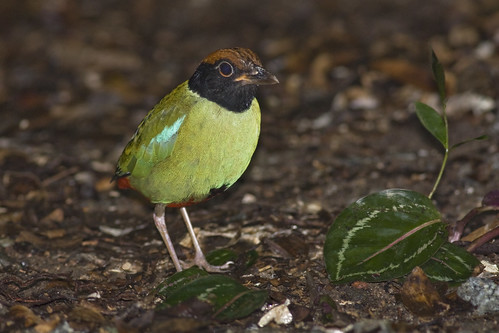
Two Hooded Pittas Pitta sordiad cucullata were spotted at the Singapore Botanic Gardens, which is a great finding. Winter visitor. The Hooded ldiet consist of mainly insects but may feed on other organism too. Poh Bee manage to take a photo of it feeding on land snail. Here's a link to a online article on Pittas of Singapore by A. F. S. L. Lok, K. T. N. Khor, K. C. Lim and R. Subaraj.


Tanjung piai - Johor National Park

My 2nd visit to Tanjung piai with RMBR. Tanjung piai is a Ramsar site, that means they have signed some sort of an agreement with the the Convention on Wetlands also known as the Ramsar convention. When appointed as a Ramsar site the place is not to be develope without approvale of the commitie. Wetlands are also important to migratory bird, wetlands are "stop-over" stations before proceding to the next country. Without wetlands, there might be shortage of our staple food with is rice because rice is a common wetland plant.

This is the bridge that leads us to the visitor centre, admission ticket its RM 5 for student and RM 10 for adults. 

 What a nice visitor centre!

Very infomative!

And BIG labels....

And the hide.


As usual, there are still alot of Mangrove Skink Emoia atrocostata . Hard to find them in Singapore even at Sungei Buloh Wetland Reserve.

We saw a female Common flameback Dinopium javanense. Here's a photo of a male common flameback which is taken at Sungei Buloh on my flickr.

A pair of helmet snail.

Gold-spotted mudskipper Periophthalmus chrysospilos


To reach the southern most tip of Mainland Asia, we had to cross a flooded pavement.


Lined nerite snail Nerita articulata


 The best sighting, dusky leaf monkey, which i din get to see it during my last visit!

Hunt for the Grey Plover

My first record shot of the Grey Plover (Pluvialis squatarola). It's just too far away for my 400mm lens to reach! Got to heavily crop it.  Before i got the Grey plover there are some of the birds that i bump into:
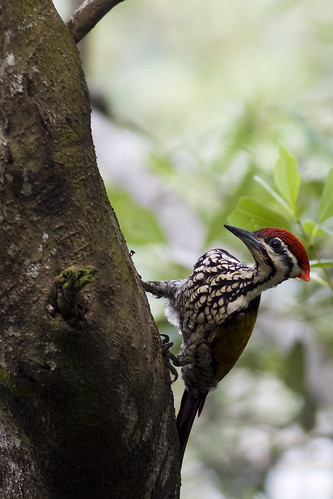
The Common Flameback is one of our common resident woodpecker.


 Not to miss out the Red Tent Spider.

And a photo of Ouyang!